As an Amazon Associate I earn from qualifying purchases.
DTF is usually the better choice for cotton, dark shirts, and a wider range of fabrics. Sublimation makes more sense for white or light polyester and sublimation-ready hard blanks, especially when you want the design to become part of the material instead of sitting on top of it.
So, is DTF the same as sublimation? No. Both methods use heat during the transfer process, but they create the final print in completely different ways.
DTF, or direct-to-film printing, creates a printed layer that bonds to the surface with adhesive. Sublimation uses heat to turn dye into gas so it can enter polyester fibers or a polymer coating.
That difference affects almost everything that matters when choosing between them: what you can print on, how the finished design feels, how much equipment you need, and how much maintenance is involved.
Key Differences
Direct-to-Film
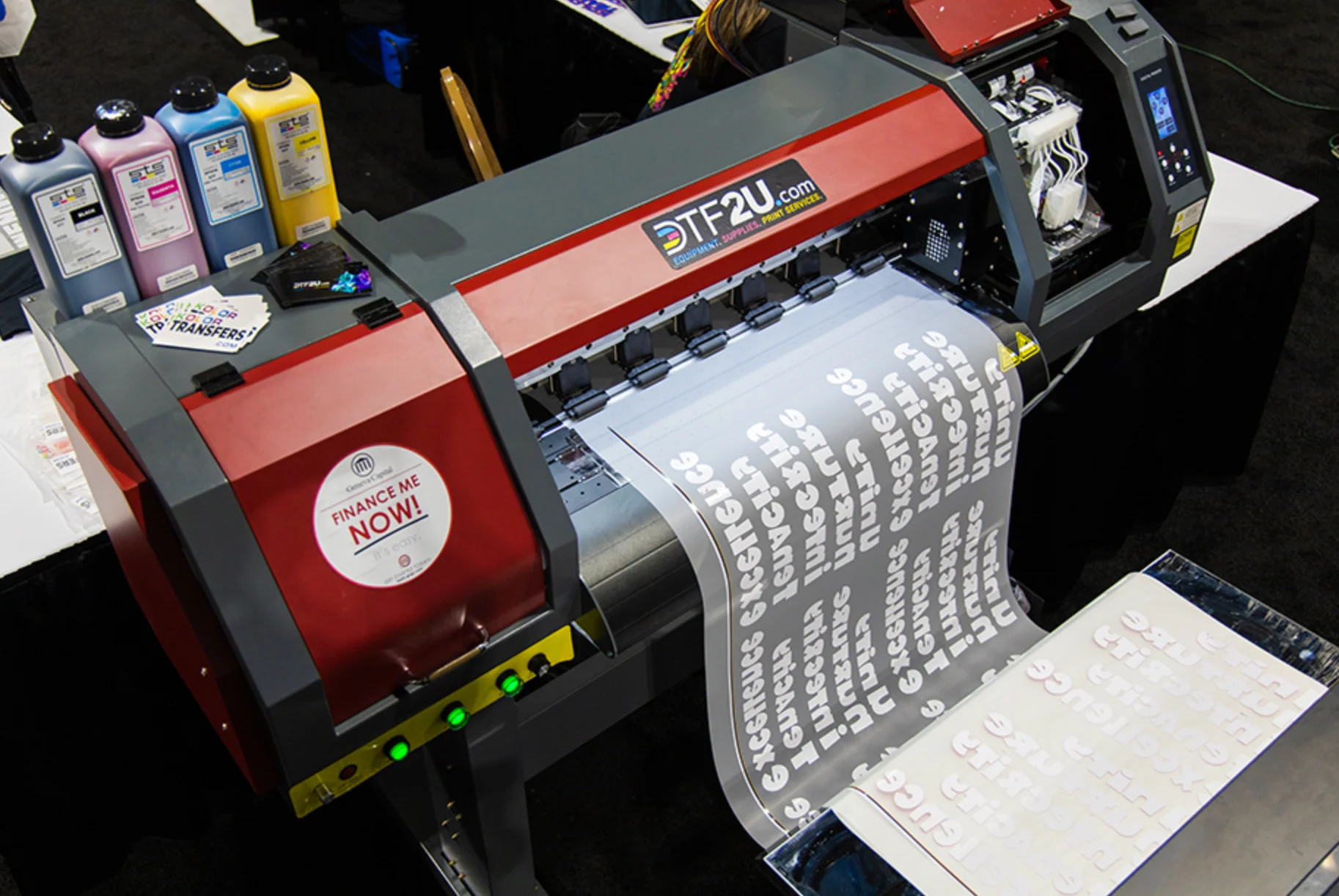
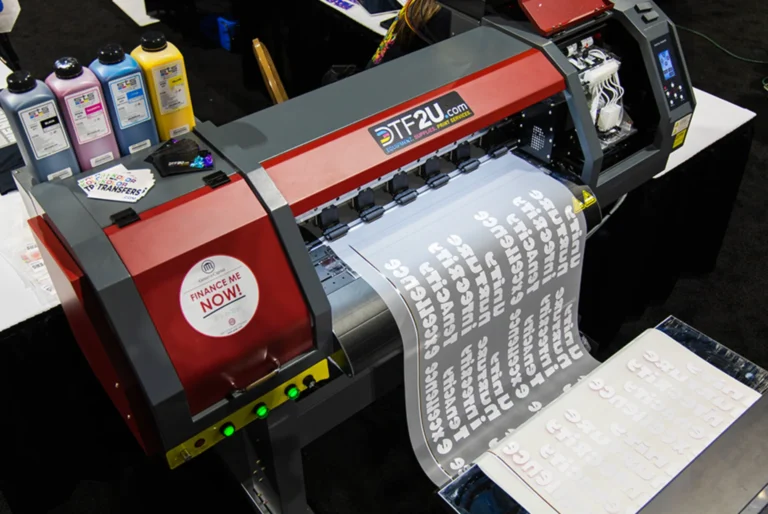
With DTF, the design is printed onto a special film rather than directly onto the shirt. A typical DTF printer lays down the color image and a white ink layer that gives the design opacity. This is one reason DTF works so well on black, navy, red, and other dark garments.
Adhesive powder is applied to the wet print and cured with heat. The finished transfer is then positioned on the garment, pressed, and peeled according to the film manufacturer’s instructions.
The biggest advantage is material flexibility. Cotton is no problem, polyester works too, and many fabric blends are compatible. Some DTF systems can also handle nylon and other less conventional materials, although heat-sensitive fabrics should always be tested before committing a whole batch.
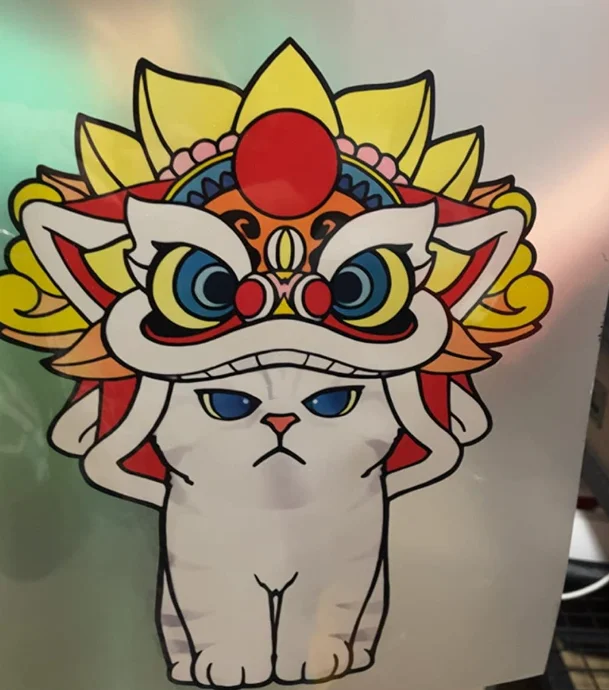
DTF also gives you access to white ink. A design with white lettering can actually contain white ink instead of depending on the shirt underneath to provide the white areas.
The tradeoff is the equipment. DTF printers use white pigment ink, which is more demanding than a typical CMYK-only printing setup. White ink can settle and contribute to clogged nozzles, so circulation, nozzle checks, cleaning, and proper shutdown procedures matter.
You do not necessarily need to own a DTF printer to use the process. For occasional projects or a small craft business, ordering ready-to-press DTF transfers can make much more sense. You still get the fabric flexibility without buying and maintaining another printer.
Sublimation
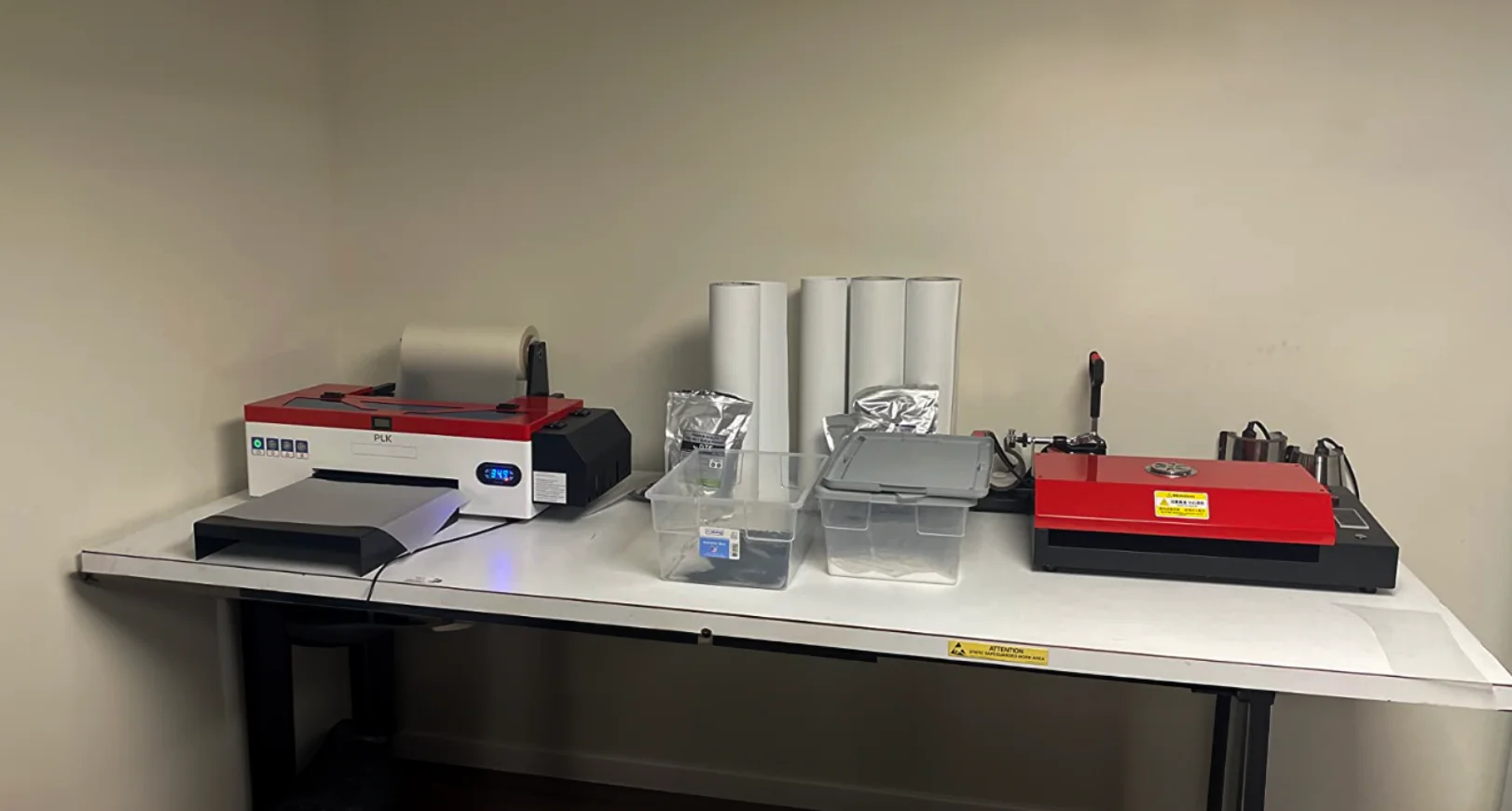
Sublimation takes a different approach. You print the mirrored design onto sublimation transfer paper with special dye ink, place the paper against the blank, then apply heat and pressure.
The dye turns into a gas under heat and enters polyester fibers or the polymer coating on a sublimation blank. Once everything cools, the dye is locked into that material.
There is no adhesive layer sitting on top. Run your hand across a sublimated polyester shirt and you should not feel an edge around the design.
That is a major advantage for clothing. It also means the design cannot peel or crack in the same way a surface transfer can.
The restriction is the blank itself.
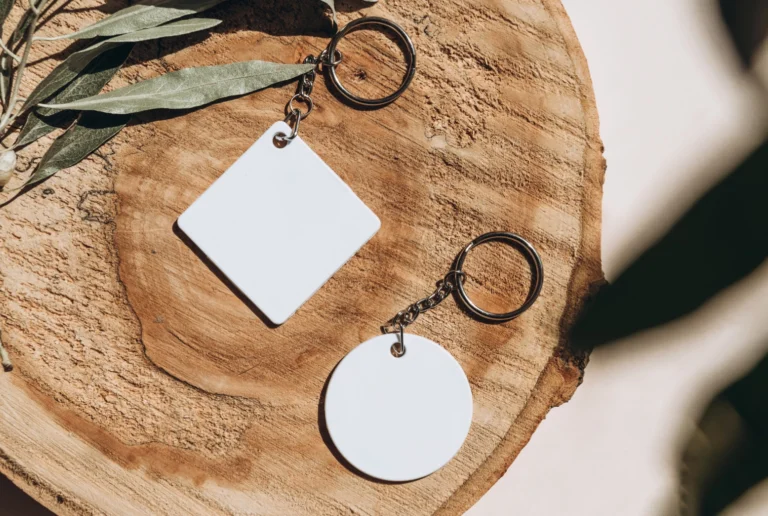
Standard sublimation works best on white or light-colored polyester. It also works on products specifically manufactured with a sublimation-ready polymer coating, which is why you can use the same basic process for mugs, tumblers, metal photo panels, keychains, mouse pads, and many other hard blanks.
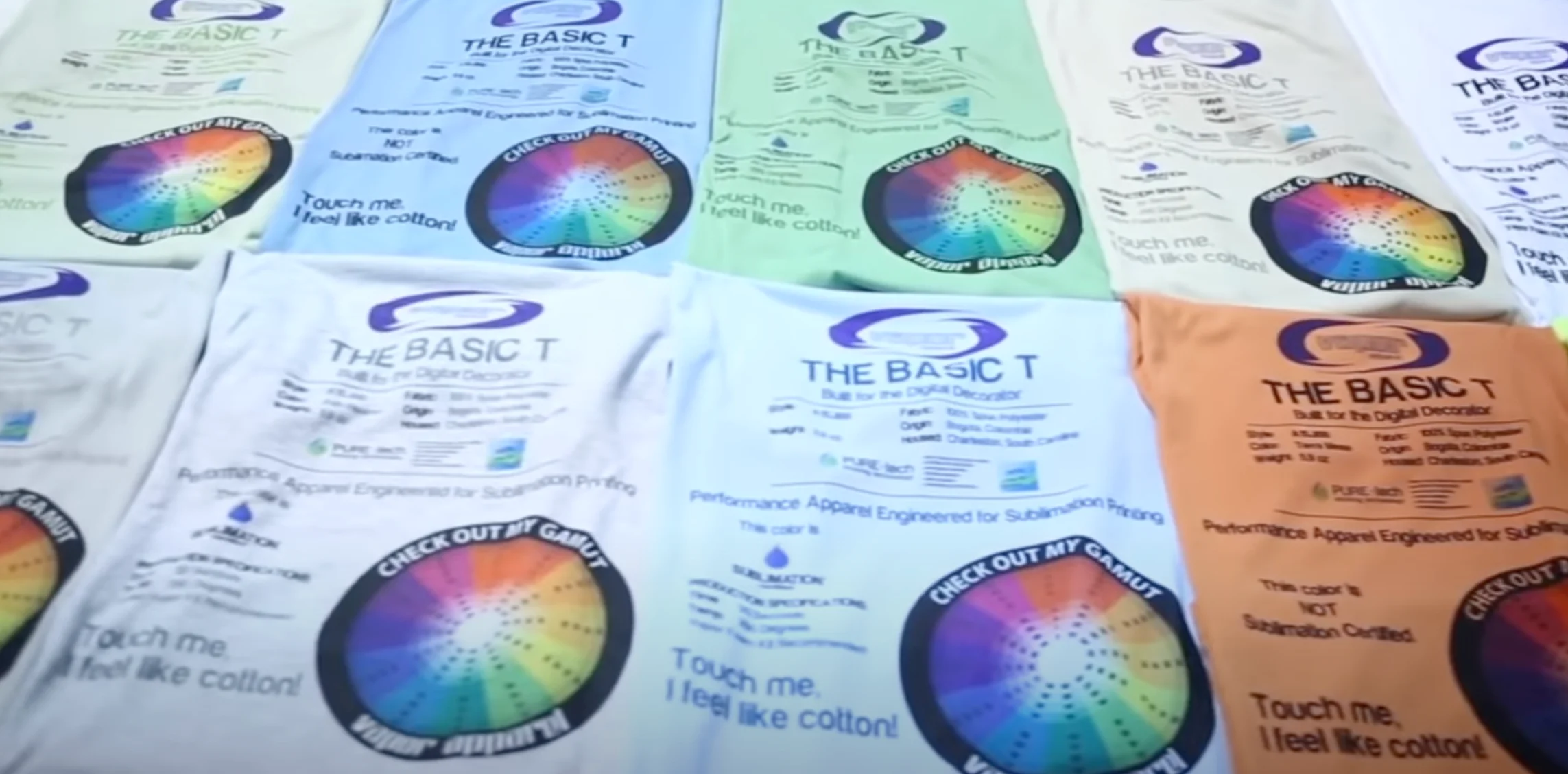
Sublimation ink is transparent and there is no white ink cartridge. If your artwork contains a white area, the printer simply leaves that part unprinted and relies on the blank to supply the white.
That makes a black cotton shirt about the worst possible starting point for normal sublimation.
There are workarounds that use coatings or compatible transfer materials, but at that point you are no longer getting the main advantage of direct dye sublimation. If I specifically wanted to decorate ordinary cotton shirts, I would choose a process designed for cotton rather than trying to force sublimation to do it.
For a more detailed explanation of the equipment and process, see my sublimation guide for beginners.
| DTF Printing | Sublimation Printing | |
|---|---|---|
| Best materials | Cotton, polyester, blends, and many other compatible fabrics | Polyester and sublimation-ready polymer-coated blanks |
| Dark garments | Yes, because DTF can print a white underbase | Not directly with normal sublimation |
| White ink | Yes | No |
| How the print sits | A thin printed layer bonds to the surface | Dye becomes part of the polyester or polymer coating |
| Feel on fabric | You can feel the printed area | Essentially no additional layer |
| Hard goods | Possible with some specialized systems, but apparel is the main use | Excellent for compatible mugs, tumblers, signs, panels, and other coated blanks |
| Workflow | Print to film, apply powder, cure, press, peel | Print to paper, press, remove paper |
| Printer maintenance | Higher, particularly because of white ink | Generally simpler |
| Dark cotton T-shirt | Very good fit | Poor fit |
| White polyester sports shirt | Works | Excellent fit |
| Full all-over polyester print | Not the usual choice | Excellent fit |
Material Compatibility
DTF Printing
Material compatibility is probably the strongest reason to choose DTF.
You can decorate ordinary cotton T-shirts without buying special polyester garments. Polyester and common cotton-poly blends are also suitable, and DTF gives you much more freedom when choosing the garment color.
The white underbase matters just as much as the fabric compatibility. Put a colorful DTF graphic on a black shirt and the white ink prevents the dark fabric from showing through the colors.
This is especially useful if you sell apparel and do not want the printing method to dictate your entire blank catalog.
DTF can also work on some nylon, canvas, denim, and other materials, but “works on almost anything” is too broad. Fabric coatings, stretch, texture, and heat sensitivity can change the result. A transfer that presses beautifully onto a cotton tee may need different settings on a polyester jacket.
Test unusual blanks first.
Sublimation
Sublimation is much more selective.
For garments, polyester is the standard. A 100% polyester white shirt gives the dye the best possible surface and usually produces the strongest color.
Polyester blends can work too, but the result changes as polyester content falls. The dye bonds to the polyester component rather than the cotton fibers, so a blend can produce a softer or deliberately faded look after washing.
Plain 100% cotton does not permanently accept conventional sublimation dye on its own. You may see a design transfer initially, but without polyester or another compatible polymer for the dye to bond with, it will not behave like a true sublimated polyester print.
Color matters too. Since sublimation has no white ink, the original color of the blank remains part of the image. A pale pink shirt can subtly shift your colors. A black shirt can make most normal sublimation artwork effectively disappear.
Hard products open up another side of sublimation. Ceramic mugs, glass, stainless steel, aluminum, MDF, and similar materials can be used when the actual blank has a suitable polymer coating designed for sublimation. Bare ceramic or bare metal is not automatically sublimation-ready.
This is why checking the listing for the word “sublimation” matters before ordering a box of blanks.
Quality and Durability
DTF Printing
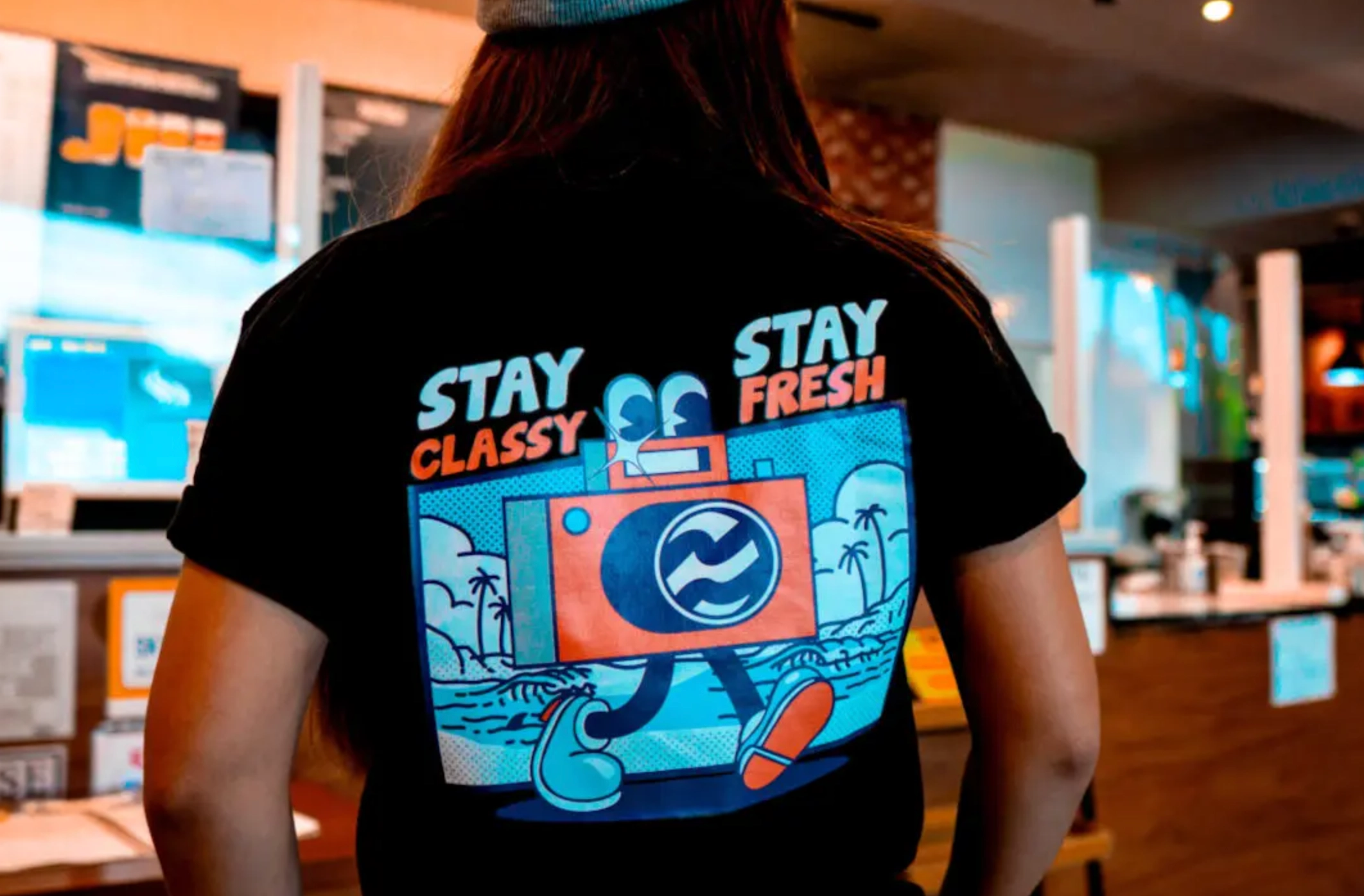
DTF can reproduce small details, gradients, photographs, and complex multicolor artwork without making a separate screen for every color.
It also handles white as a real printed color. That gives DTF a clear advantage for detailed artwork on dark garments.
The finished transfer sits on the fabric, so you can feel it. How noticeable that is depends on the artwork itself. A small chest logo creates much less printed surface than a large solid rectangle across the front of a shirt.
This is worth thinking about before printing oversized graphics. A large DTF area can reduce the natural softness and breathability of the fabric because you have added a physical layer to it.
Durability depends heavily on the complete process. Ink, powder, curing, press temperature, pressure, garment material, and washing all matter. A correctly produced transfer can survive repeated washing very well, but it is still a bonded layer and can eventually show wear.
Poor pressing can cause problems much sooner. If the adhesive never bonds properly, edges can lift. Too much or too little heat can also change the result.
For clothing you want to keep looking good, avoid ironing directly over the DTF print and follow the transfer supplier’s washing instructions.
Sublimation
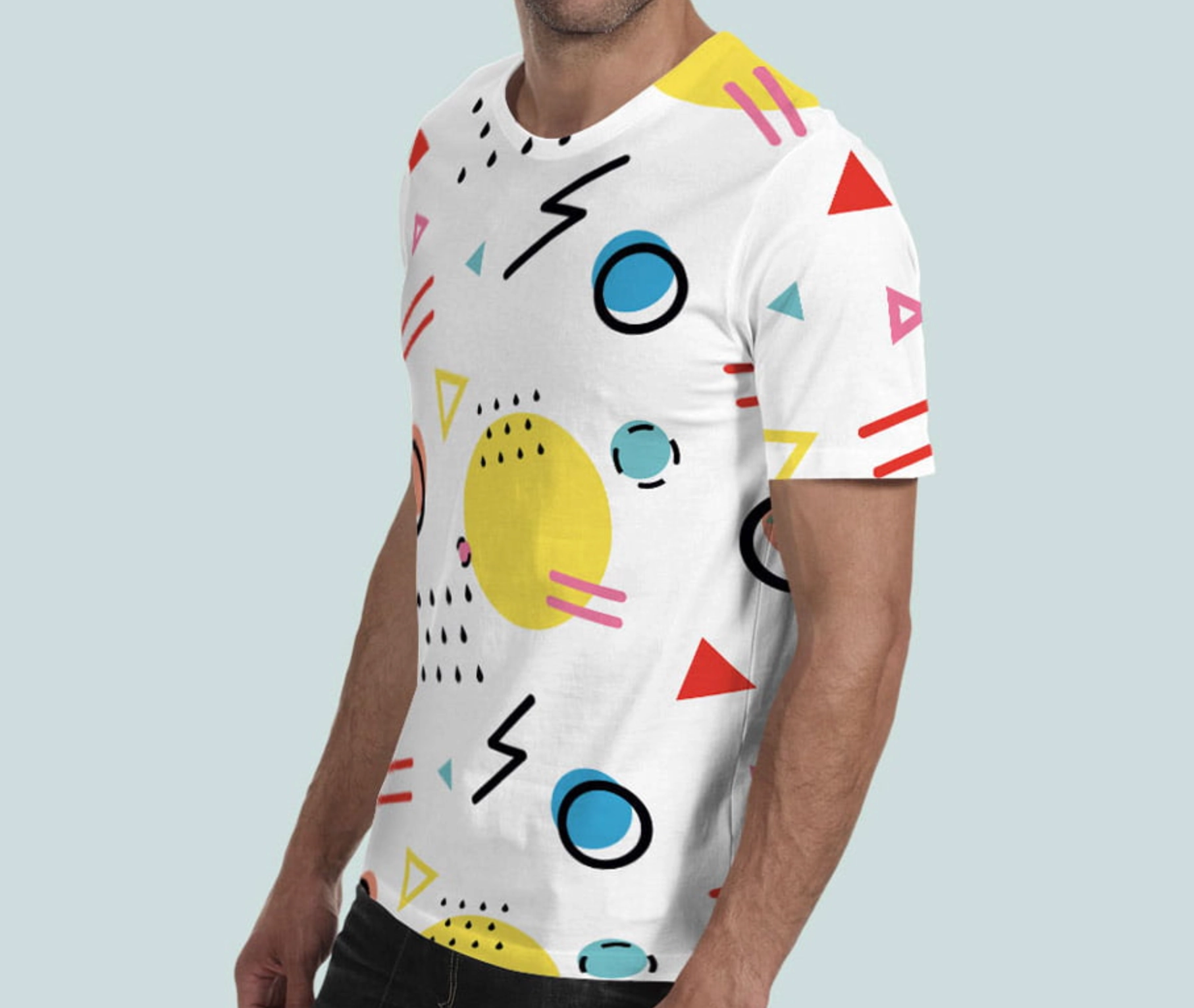
Sublimation has one physical advantage that DTF cannot really copy: there is no transfer layer to peel away.
The dye becomes part of the polyester or polymer coating. On fabric, the printed area remains soft because you have not glued another layer over the fibers.
This makes sublimation particularly attractive for performance shirts, jerseys, leggings, and other clothing where a large design should not make the fabric feel heavy.
It is also excellent for all-over printing. A garment can carry artwork across large areas without creating a giant patch-like surface.
That does not mean a sublimated image is literally impossible to fade. UV exposure, unsuitable blanks, low polyester content, incorrect pressing, and long-term outdoor use can all affect color. “It never fades” is too strong.
What sublimation avoids exceptionally well is cracking and peeling. There is no separate printed film on top of the polyester to crack in the first place.
For an indoor polyester garment that is properly sublimated and cared for, the print can remain usable for a very long time.
Ease of Use
DTF Printing
DTF has more moving parts.
The artwork usually goes through RIP software so the printer can control its color channels and white underbase correctly. The image is printed onto film, adhesive powder is applied to the wet ink, the powder is cured, and the transfer is finally heat-pressed onto the garment.
That workflow is manageable once it becomes routine. The harder part for many home users is keeping the printer itself happy.
White pigment ink likes to settle. Depending on the printer, that means regular agitation or circulation, nozzle checks, cleaning cycles, and attention to the capping station or other maintenance components. Professional machines automate part of this, but they do not turn white ink into a maintenance-free system.
This is the part I would think about before buying a DTF printer for occasional weekend projects.
If you only make a few shirts every month, buying transfers from a DTF supplier is a very practical middle ground. You create the artwork, order the transfer, and use your own heat press. There is no white-ink printer sitting unused between projects.
Sublimation
Sublimation has a simpler home-crafting workflow.
Create your design, mirror it when required, print it onto sublimation paper, secure it to the blank, then use the correct time, temperature, and pressure for that product.
There are still ways to get it wrong. Incorrect color management can produce unexpected colors. Moving the paper during pressing can create ghosting. Too much heat can scorch a blank, and lint on polyester can leave tiny colored marks after pressing.
But the printing system itself has fewer DTF-specific steps. There is no adhesive powder to apply and no white ink channel to maintain.
Purpose-built sublimation printers make setup particularly straightforward. A converted inkjet can reduce the entry price further, although conversion comes with its own limitations and may affect the manufacturer’s warranty.
For someone mainly making mugs, ornaments, polyester shirts, and coated blanks at home, I would start with sublimation before buying an in-house DTF setup.
Cost
DTF Printing
DTF can be much more expensive upfront if you want to produce the transfers yourself.
The printer is only part of the budget. You also need DTF ink, film, adhesive powder, a way to cure that powder, RIP software if it is not included, and a heat press. Higher-volume setups may add an automatic powder shaker and curing unit.
Then there is maintenance. Cleaning fluid, waste ink, replacement consumables, and ink used during maintenance all belong in the real cost calculation.
This is why comparing two printer prices alone is misleading.
A professional DTF machine can cost several thousand dollars and large production systems go much higher. At the same time, the market includes less expensive desktop machines and converted systems with very different support, reliability, and maintenance requirements.
Outsourced DTF transfers change the calculation completely. For a crafter who already owns a heat press, the initial equipment cost can be close to zero because someone else handles the printing and powder curing.
That is the DTF option I would consider first unless I knew I had enough volume to keep a printer in regular use.
Sublimation
Sublimation has a much lower entry point for small-format work.
For perspective, Epson’s purpose-built SureColor F170 has a $399 MSRP before adding a heat press and supplies. Converted EcoTank setups can also be inexpensive, although they are not purpose-built sublimation printers.
You will still need sublimation ink, transfer paper, heat-resistant tape, protective paper, and appropriate blanks. Different products can also require different presses. A flat heat press will not replace a mug press for every project.
Consumable costs are generally easy to understand because the workflow is relatively simple. You are mainly using ink and transfer paper during printing rather than adding DTF film plus adhesive powder.
The hidden cost is the blank restriction.
Cheap cotton T-shirts are everywhere. Proper white polyester shirts or specialty sublimation blanks can cost more and give you fewer choices. If customers specifically want dark cotton apparel, having an inexpensive sublimation printer does not solve the actual job.
DTF vs Sublimation vs Screen Printing
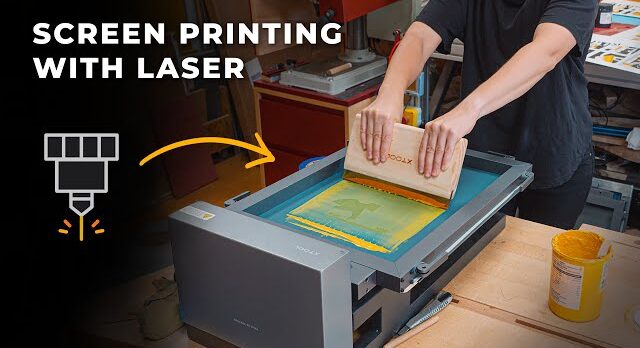
Screen printing is worth considering if your real goal is producing the same design in quantity.
Each screen normally handles a color or part of the artwork, so setup takes more work before the first finished shirt comes off the press. Once that setup is complete, repeating a relatively simple design across a large batch can be very efficient.
DTF removes much of that job-specific setup. A full-color design can go from a digital file to film without preparing a separate physical screen for every spot color, which makes DTF much easier to justify for one-offs and short runs.
Sublimation solves a different problem. It is the obvious candidate when you need an all-over design on polyester or want to decorate compatible hard goods.
So I would not rank DTF, sublimation, and screen printing from best to worst. The order changes with the job.
A batch of 300 cotton shirts with the same simple two-color logo can make screen printing attractive. Five dark shirts with detailed full-color artwork point toward DTF. A white polyester jersey covered from edge to edge in graphics points toward sublimation.
Which is Right for You?
The easiest way to choose between DTF and sublimation is to start with the item you want to decorate.
If most of your projects use cotton shirts, dark garments, or mixed fabric types, DTF gives you much more freedom. It also makes sense for detailed full-color apparel designs and situations where you need white ink.
If you mainly work with white or light polyester, mugs, tumblers, ornaments, and other sublimation-ready blanks, sublimation is simpler to run at home and gives you a smooth print with no raised transfer layer.
For a small craft room, there is also no rule saying you must choose only one.
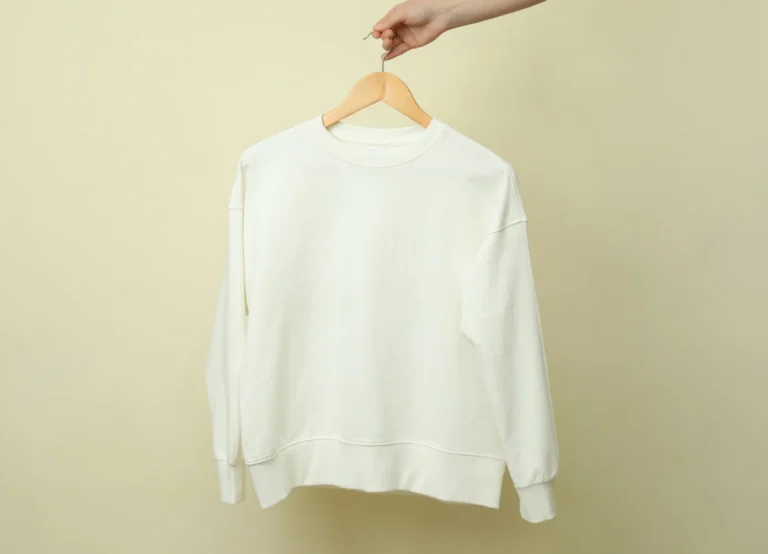
A sublimation printer and heat press can cover the projects that suit sublimation best. When you occasionally need a design on a black cotton sweatshirt, you can order a ready-made DTF transfer instead of maintaining a DTF printer year-round.
That combination gives you access to both methods without paying for equipment you rarely use.
So, is DTF better than sublimation? Only when the project favors DTF.
For dark cotton apparel, I would choose DTF without much hesitation. For a white polyester sports shirt or a sublimation-coated mug, I would choose sublimation. The material should make the decision before the printer does.